
ingredient IQ
-
 How ToSee article
Everything You Need to Know About Zucchini
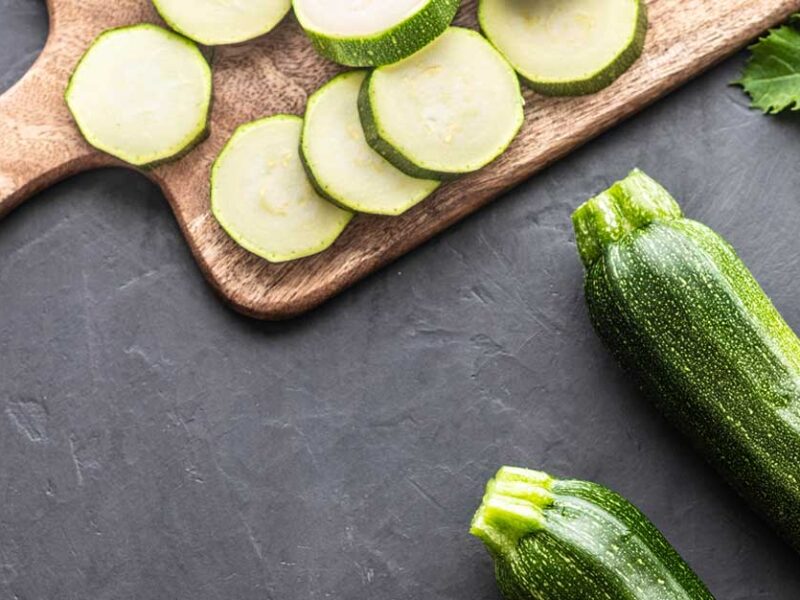
Zucchini is an ultra-versatile vegetable. Read on for everything you need to know about the beloved summer bumper crop, including how to select, store, and prepare it; what to do with an oversize zucchini; and more. What Is Zucchini? Zucchini are members of the gourd family along with cucumbers, melons, and pumpkins (which are all […] -
 How ToSee article
What Are Hearts of Palm?
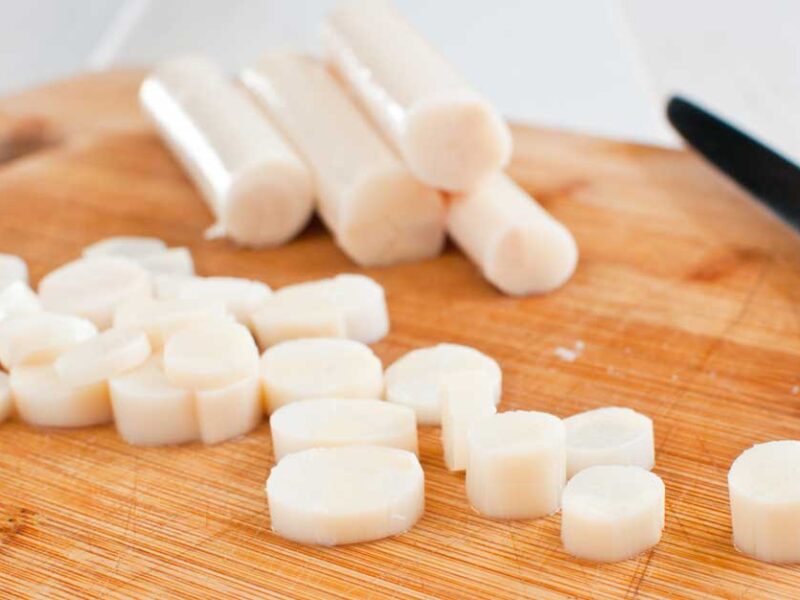
Hearts of palm are the delicate white stalks harvested from the inner cores of palm trees. The tender veggies have been consumed in Central and South America for thousands of years, dating back to Mayan times, and in recent decades have become more widely available around the globe. Read on to learn more about hearts […] -
 How ToSee article
Sea Vegetables 101: A Quick-Start Guide to Cooking with Seaweed
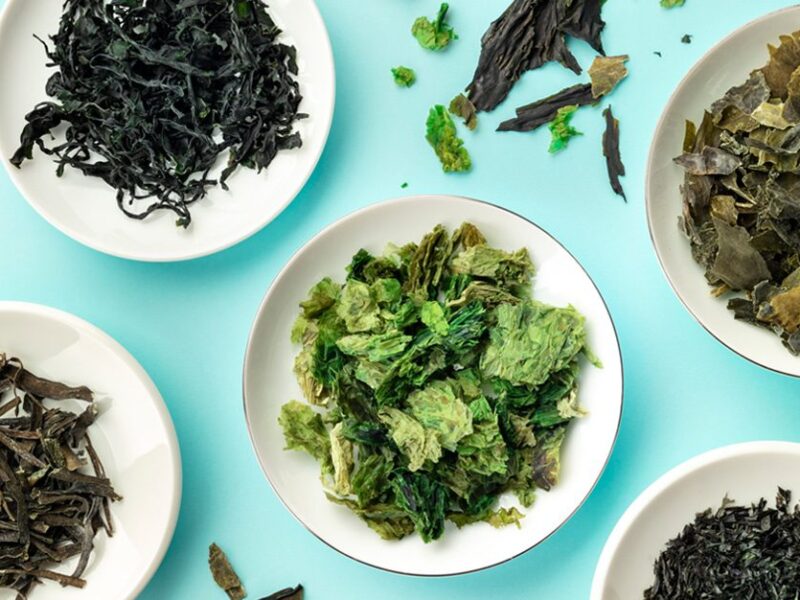
Sea vegetables, or edible seaweed, have been a staple ingredient in Japan, Korea, and China for millennia. Read on to learn more about common types of sea vegetables and how to use them in your kitchen today. What Are Sea Vegetables? “Sea vegetables” is the culinary term for the different seaweeds used in cooking. They […] -
 How ToSee article
What Is Jicama? How to Enjoy the Refreshing, Juicy Root Vegetable
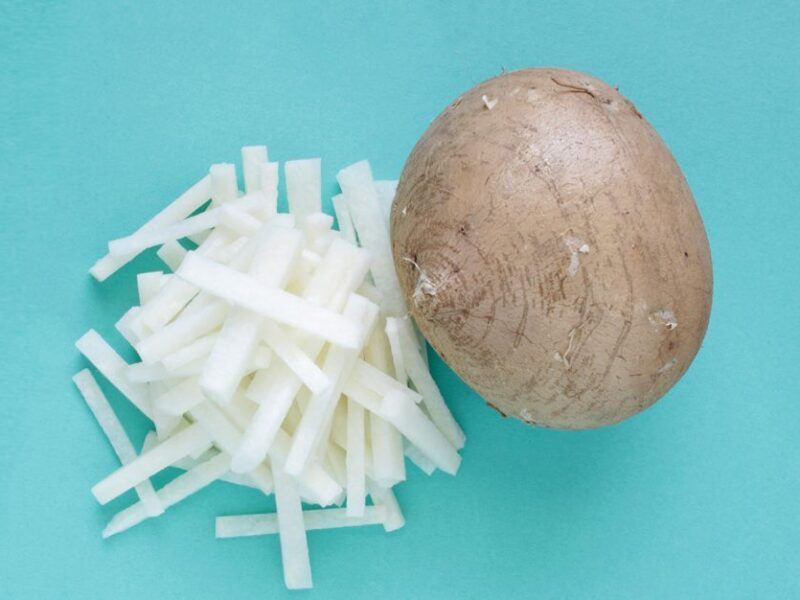
Jicama—also called Chinese yam, yam bean root, Mexican potato, fon goot, or sicama—is a root vegetable native to Mexico and Central America. It’s often described as a cross between a potato and an apple. The jicama plant is technically part of the legume family and grows as a vine, with the most commonly eaten part […] -
 How ToSee article
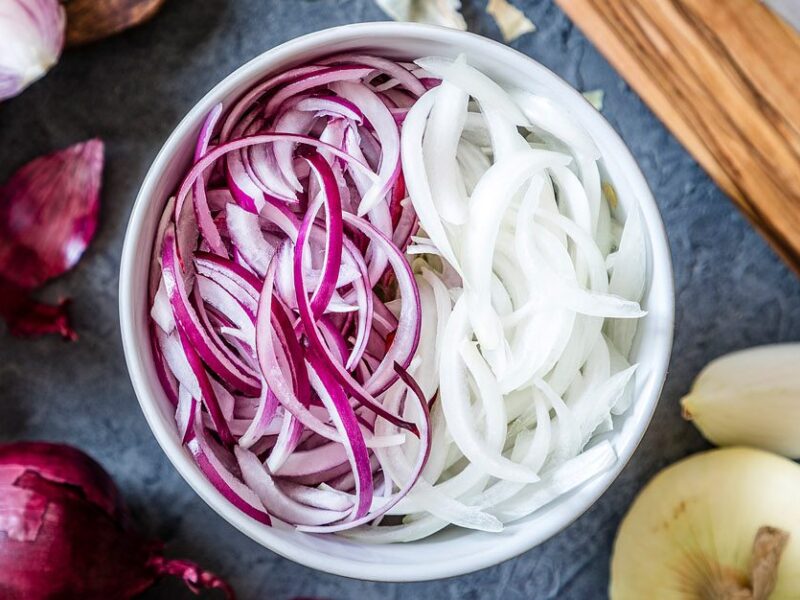
A Cook’s Guide to 6 Types of Onions and How to Use Them
It’s hard to imagine a world without onions. The pungent members of the allium family (which also includes shallots, leeks, garlic, and chives) have been cultivated for over 5,000 years and remain staple ingredients in every cuisine around the globe. Onions may look humble, but they have superpowers in the kitchen, with the ability to lift, […] -
 How ToSee article
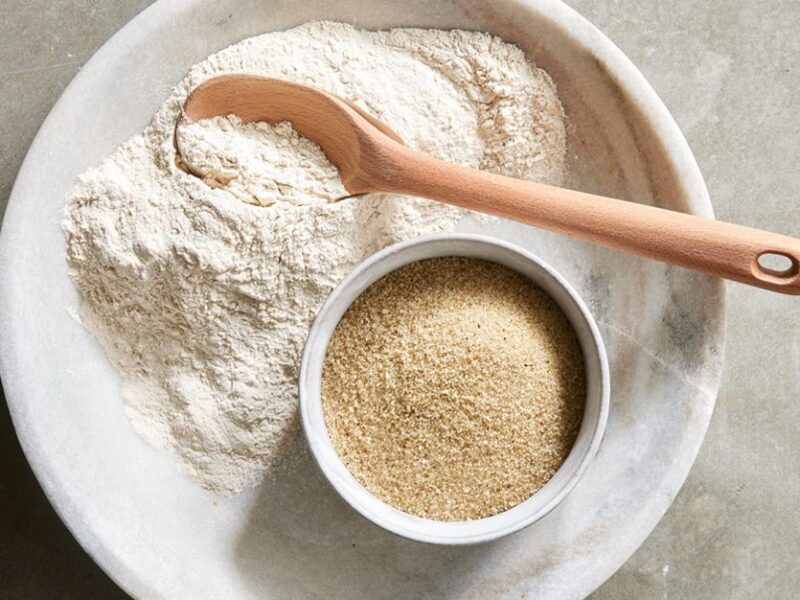
Fonio: the Ancient West-African Grain That’s Healthy, Sustainable, and Quick-Cooking
If you haven’t heard of fonio until recently (or now), you’re not alone. For decades, the tiny seeds cultivated in West Africa since ancient times have been a “forgotten food”: That’s the official term given to heritage grains that were long neglected and underused despite their nutritional benefits. (Quinoa was once a “forgotten food,” too.) […] -
 How ToSee article
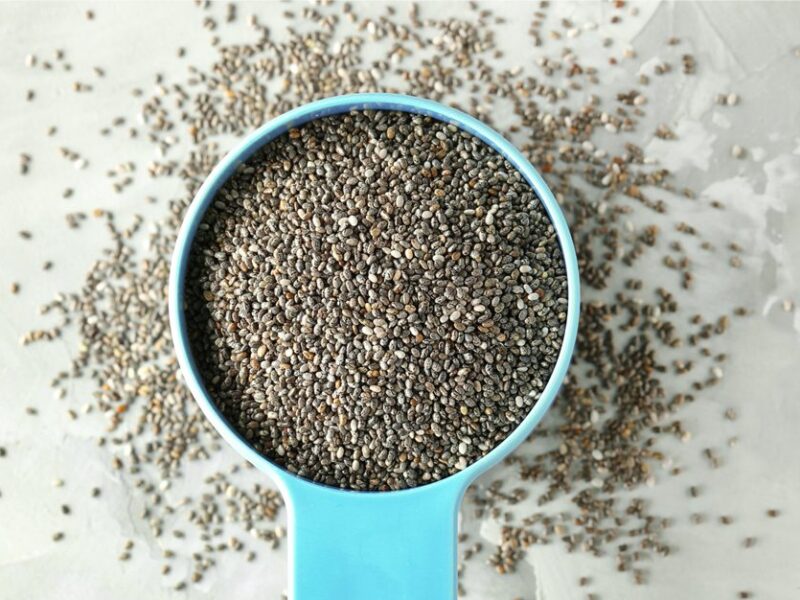
Everything You Need to Know About Chia Seeds
Tiny but mighty, neutral-tasting chia seeds boast a long culinary history, an impressive nutritional profile, and a host of uses in plant-based kitchens. What Are Chia Seeds? Chia seeds are harvested from the chia plant, a flowering member of the mint family that is native to Mexico and Guatemala. Chia was one of the four […] -
 How ToSee article
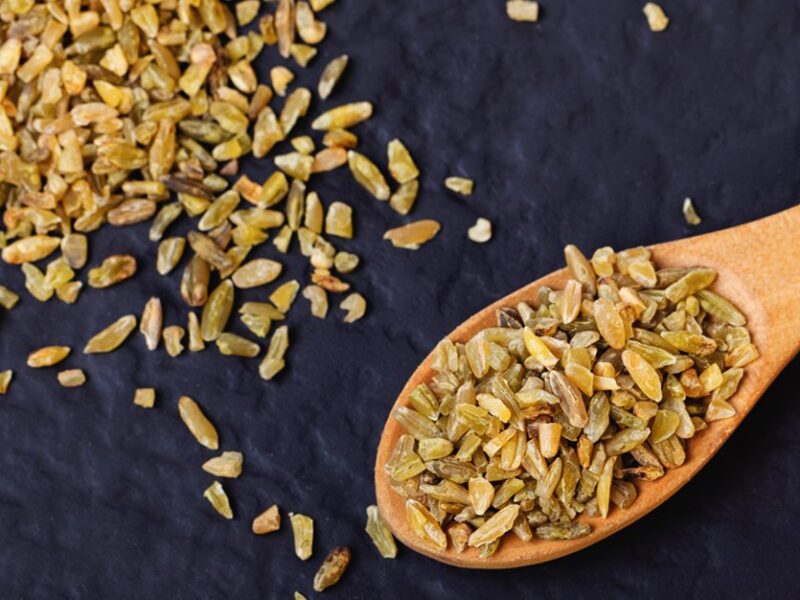
What Is Freekeh?
A staple grain in the Mediterranean basin, Middle East, and parts of Africa, freekeh is a type of wheat harvested when it’s still young and green. Like all cereals in the wheat family, freekeh contains gluten proteins, making it suitable for a wide range of culinary applications. Unlike other ancient wheat varieties (e.g., Italian farro […] -
 How ToSee article
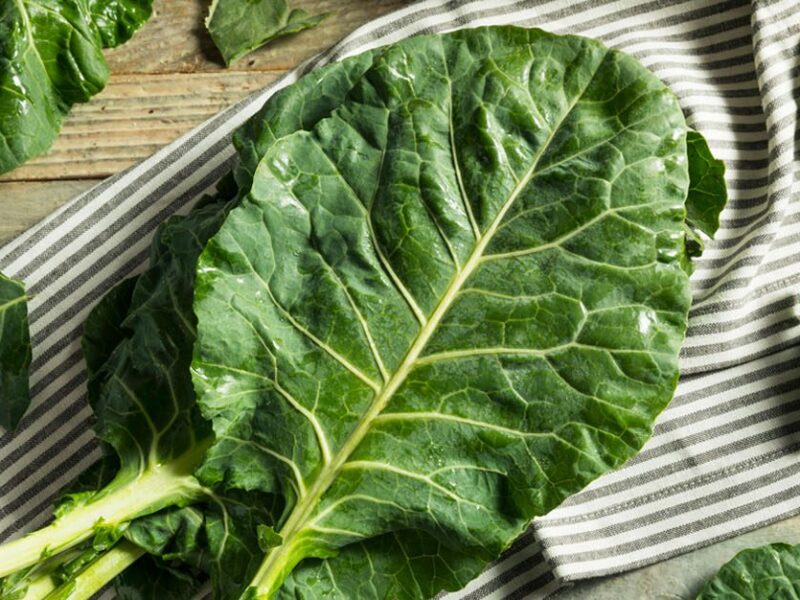
What Are Collard Greens, and How Do You Cook Them?
Collard greens, or collards, are a leafy green vegetable like lettuce, Swiss chard, and spinach. Along with mustard greens, turnips, and cabbage, collards belong to the Brassica family of cruciferous vegetables, which are known for their nutritional and health-protective benefits. How Do They Compare to Other Leafy Greens? Collards are smooth and hearty in texture with […] -
 How ToSee article
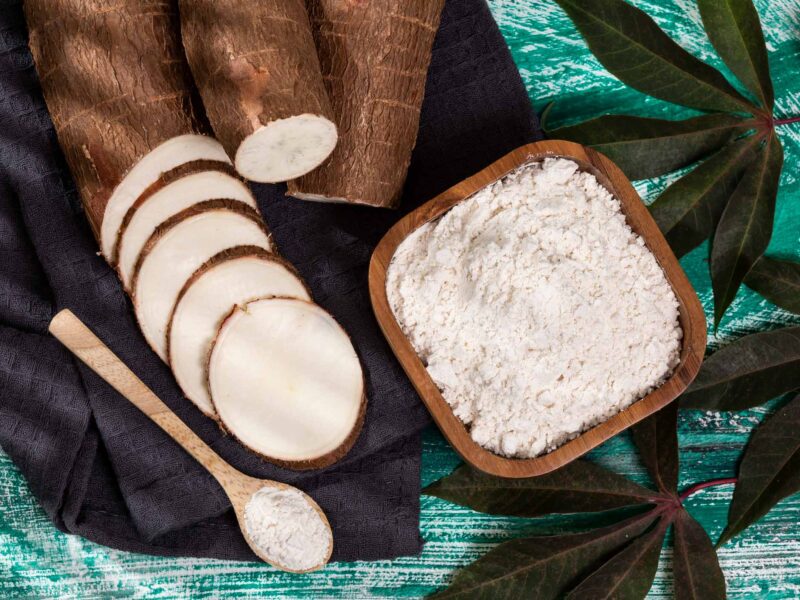
What Is Cassava, and How Do You Cook With It?
“Cassava,” “yuca,” “manioc,” and “tapioca” are all names for a large, hard root vegetable that is native to Brazil. Cassava is a staple food throughout Latin America, South America, the Caribbean, and West Africa, where it is best known in fufu, a chewy, dough-like side dish made of cooked, kneaded (and sometimes fermented) cassava flesh. […] -
 How ToSee article
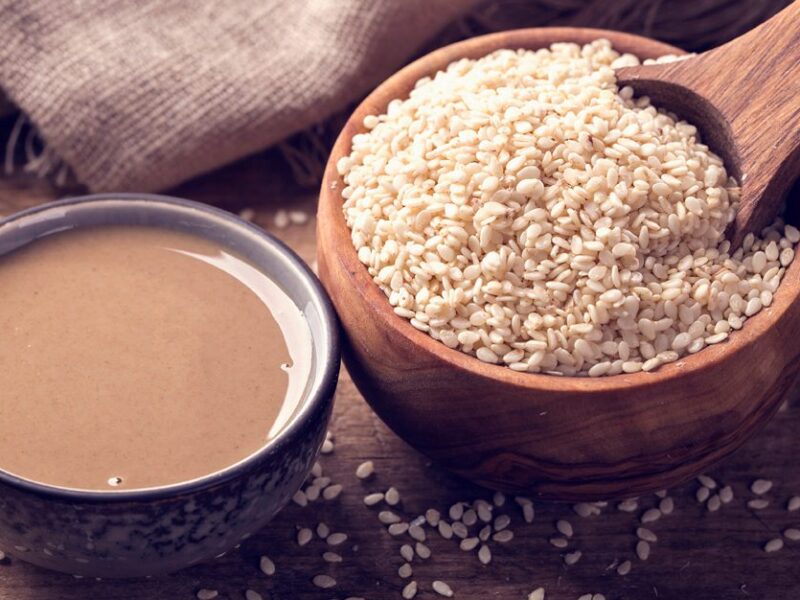
What Is Tahini? How to Use the Savory Sesame Seed Paste
Tahini is best known for its starring role in hummus, to which it adds deliciously nutty flavor. But hummus isn’t all that tahini can do. The rich sesame paste is a staple ingredient throughout the Middle East, where it’s used to season everything from salad dressings to sweets, including ice cream and fudge (halva). In […] -
 How ToSee article
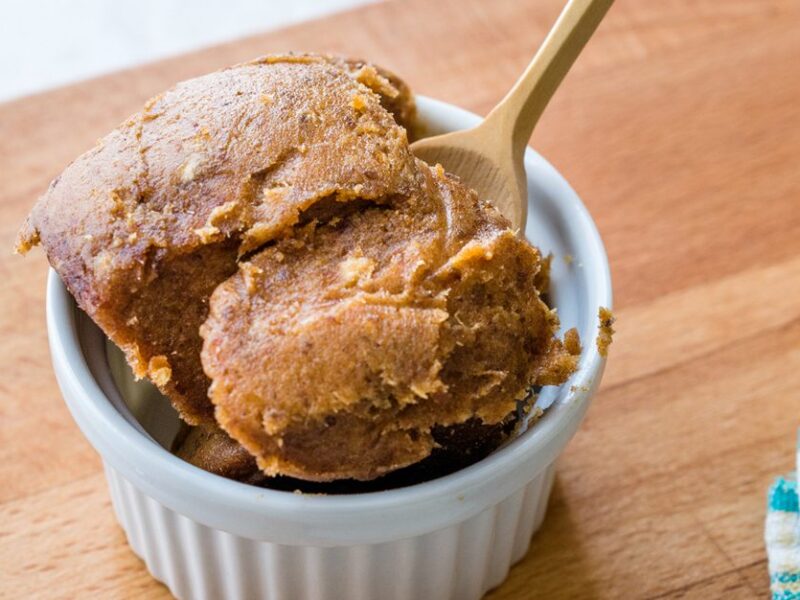
Miso: the Flavor-Boosting Staple That Should Always Be in Your Fridge
Miso, the flavorful fermented soybean paste that gives miso soup its name, has a multitude of uses in a whole-food, plant-based kitchen. Here’s how to select, store, and cook with the umami-rich Japanese pantry staple. What Is Miso? Miso is made by combining soybeans and salt with a starter culture cultivated from cooked grains (rice, […]